Sales +251 944 334 344 Support +251 944 334 343 hello@translink.et

We design it, fit it, connect it, and keep it working.

Our own engineers, technicians and developers handle every stage, so one team answers for the result, from the first design to everyday support.

Already running Translink?

Customer success and support

+251 944 334 343 support@translink.et

Solutions design

We start from how your operation runs, the rules it works under and the problems that cost you money, then design the system around them. A custom fit, not a catalog package.

Our engineers combine GPS tracking, fuel monitoring, video telematics, IoT, RFID and freight security into one architecture. You see the design before anything is installed: what goes on each vehicle, what it reports and who sees it.

What shapes a design

Your operation
Vehicle and asset types, routes, sites and shifts, and who needs which information.
Your rules
The safety, data and reporting requirements your sector and your own policies set.
Your risks
The problems behind the project: fuel loss, cargo theft, driver fatigue, downtime.
Your budget
Performance, reliability and ease of use balanced against cost, vehicle by vehicle.
Example design for a long-haul fuel tanker
  1. On the vehicle

    • GPS tracker
    • Fuel sensors in both tanks
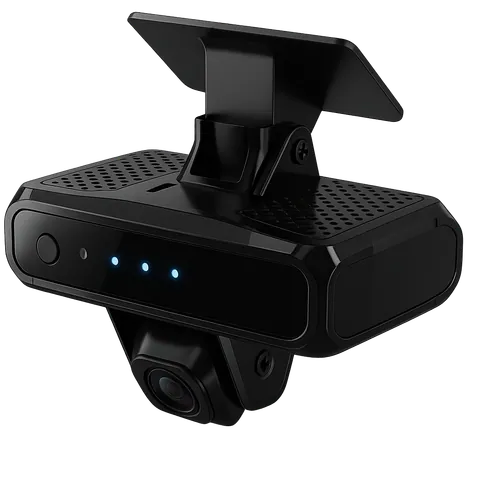
    • AI dashcam, road and cab
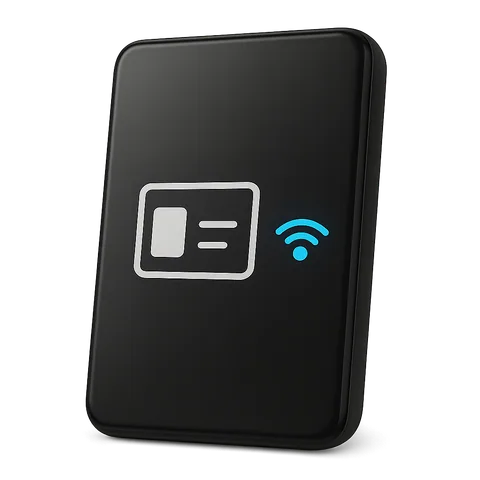
    • Driver ID reader
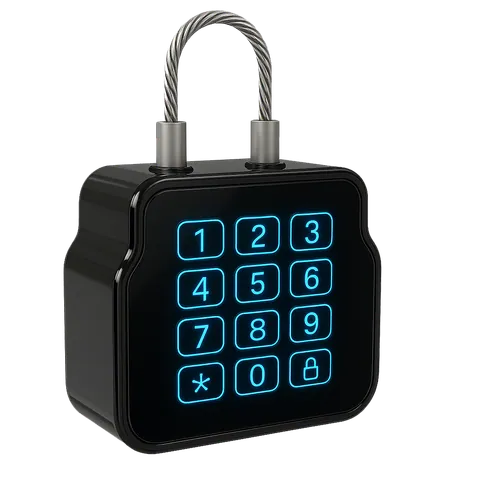
    • Electronic seal on the hatch
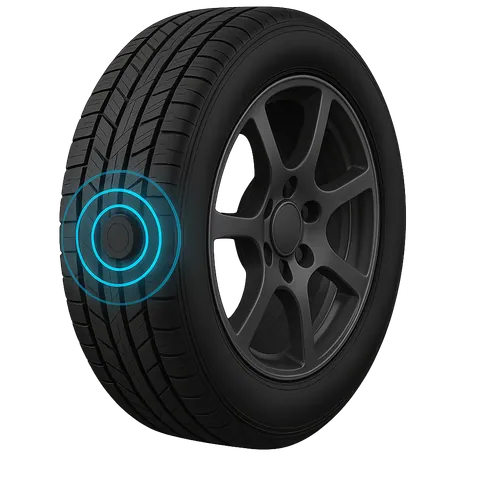
    • Tire pressure sensors
  2. On the platform

    • Advanced tracking
    • Video and AI analytics
  3. In front of people

    • Control room Live alerts for drains, seals and fatigue
    • Fleet manager Daily fuel and driver reports
    • Finance Cost per vehicle, through the ERP

Installation and maintenance

Our own technicians fit every unit in the same sequence and check each vehicle end to end before it goes back to work.

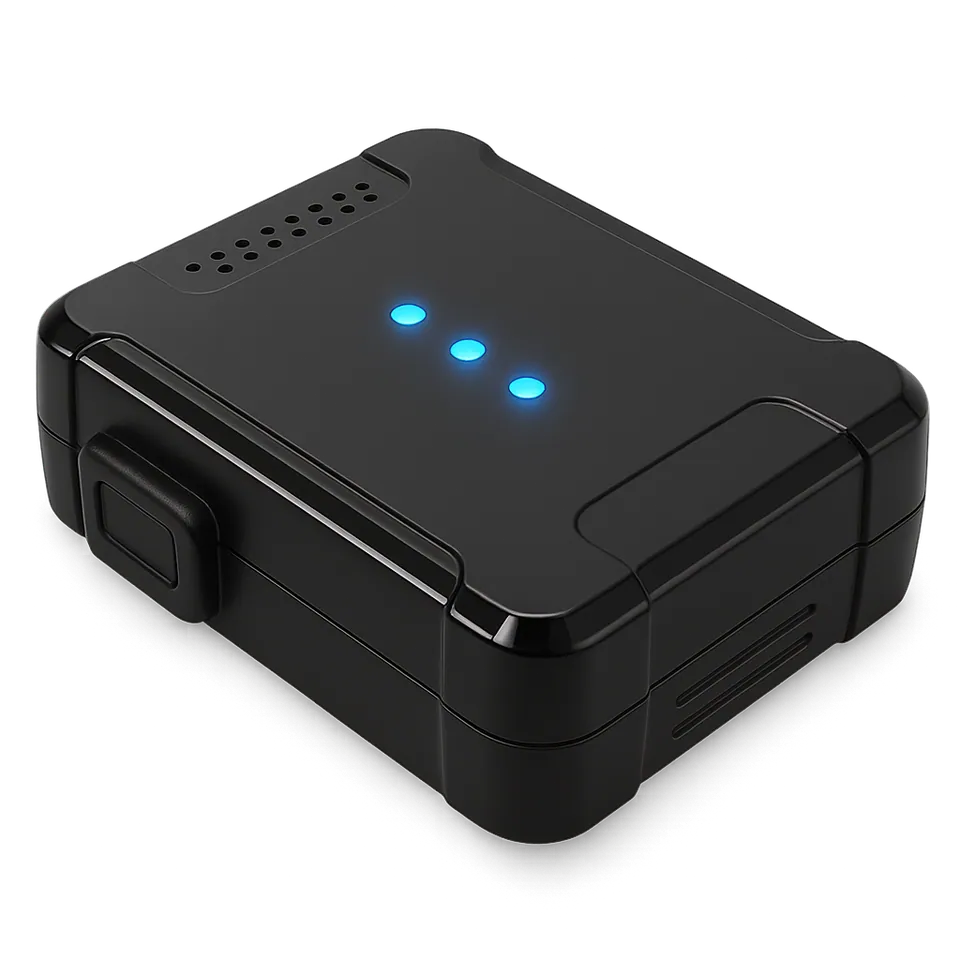
  • GPS tracking unitTracker
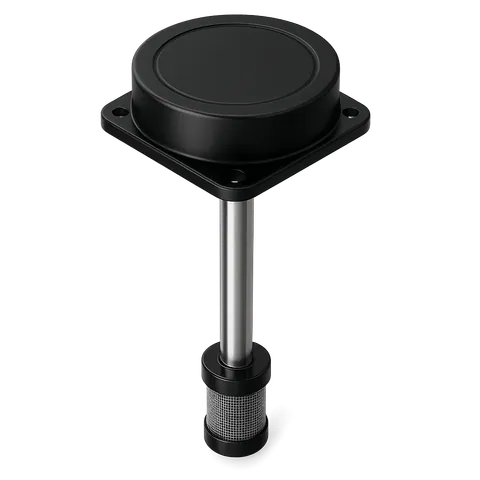
  • Capacitive fuel level sensor probeFuel level sensor
  • Dual-lens AI dashcamAI dashcam
A common kit for a truck: one tracker, a fuel sensor per tank, and a camera facing the road and the cab.

We would like to confirm the project was completed on time, and the company showed professionalism in the overall installation and commissioning process.

Freighters International

How every unit goes in, and stays working

  1. InstallDevice and sensors mounted where they're protected and read reliably.
  2. WirePower, ignition and sensor connections made cleanly and secured against vibration.
  3. CalibrateFuel and other sensors tuned to the vehicle they're fitted to.
  4. CommissionThe unit goes live on the platform with your users, alerts and reports.
  5. ValidatePosition, ignition, fuel, camera and ID checked against the vehicle before handover.
  6. MaintainProactive maintenance and diagnostics on device health, power and connectivity, with support from the team that did the installation.

Calibration and optimization

A sensor is only as accurate as its calibration. We calibrate each one to its vehicle and tank, then keep adjusting so losses can't hide in the noise.

Fuel volume in six equal-height slices of a horizontal tank From top to bottom, the slices hold 11, 18, 21, 21, 18 and 11 percent of the tank's volume. 11% 18% 21% 21% 18% 11%
Why each tank gets its own calibration. Cut a horizontal tank into six slices of equal height and the middle slices hold nearly twice as much fuel as the top and bottom ones. Calibration maps every sensor reading to real liters for that tank's shape.

What we tune, and keep tuning

  • Each tank calibrated on its own, so readings become liters you can act on.
  • Alert thresholds that tell a real drain from fuel moving on a rough road.
  • Sensors rechecked whenever a tank, a sensor or the vehicle changes.
  • Data reviewed over time, with settings adjusted to cut losses and keep reporting compliant.

Fuel is where precision matters most, but load sensors, tire sensors and cameras get the same care. About fuel management

Integration

Telematics data is worth more inside the systems you already run. We connect devices, platforms and enterprise systems so the numbers move without anyone retyping them.

From the field

  • GPS trackers
  • Fuel level sensors
  • AI dashcams
  • CAN bus and OBD data
  • RFID and BLE tags
  • Electronic seals and locks

Translink platforms

Built on Wialon, with our own software on top

Into your systems

  • ERP and finance
  • Fleet management platforms
  • Fuel systems
  • Video analytics
  • Security and control rooms
  • Insurance and regulatory platforms
APIs
Your systems read positions, events and reports directly, and can send data back.
Exports
Reports in PDF and Excel, on demand or on a schedule.
Custom integrations
For anything specialized, our in-house developers build the connection.

Software development

When an off-the-shelf platform doesn't fit, our in-house developers build what does: dashboards, analytics, mobile apps, APIs and AI-driven insights.

What we build

Dashboards
Views for the control room, the fleet office and management, built around the numbers each one acts on.
Analytics engines
Logic that turns raw device data into fuel, safety and utilization reports.
Mobile apps
Apps for drivers, field staff and managers, including ID and scanning tools.
APIs
Interfaces that let your own systems read and write telematics data.
AI-driven insights
Models that find patterns in driving, fuel and video data and point to where to act.

Built to order

A digital ID and QR scanner app for the Addis Ababa Traffic Management Authority

Built to the authority's requirements, alongside a GPS tracking platform for about 10,000 motorbikes across the city.

The platform has operated reliably with no service interruptions, and all customization requirements requested by the authority, including a digital ID and QR code scanner app, were fully implemented with a high level of responsibility.

Addis Ababa Traffic Management Authority

Customization

No two clients run the same way, so we tailor every layer, from the device on the vehicle to the report on your desk.

Software

  • IntegrationsData delivered to the systems you choose, in the format they expect
  • WorkflowsApprovals, dispatch and maintenance steps that follow your process
  • ReportsThe figures your management meeting uses, scheduled to arrive
  • AlertsWhich events matter, who hears about them, and how
  • DashboardsA view for each role, from the control room to finance

Hardware

  • FirmwareDevice behavior set for your vehicles and how they're used
  • DevicesThe tracker, sensors and cameras chosen for each vehicle type

Every layer is set up for you, and can change as you learn what you need.

Training and CPD

A system pays off when people use it well. We train each group on what it needs, then keep skills current as your team and the platform change.

  • Users

    Dispatchers, control room operators and fleet coordinators

    The live map, alerts, trip history and the reports they run every day.

  • Technicians

    Your workshop and technical staff

    Installation checks, troubleshooting, and care of sensors and cameras.

  • Managers

    Fleet, operations and finance leads

    Reading the reports, setting thresholds and targets, and acting on what the data shows.

  • CPD

    Continuous professional development, after go-live

    Refresher sessions, briefings on new features and onboarding for new staff keep skills current, so knowledge stays when people move on.

Customer care

After go-live, a dedicated team resolves issues, watches your system's health and tells you where it could work harder.

Customer success and support

+251 944 334 343 support@translink.et

99.9%

Platform uptime and service reliability

Dedicated support
A team that knows your setup, so you never explain your fleet from scratch.
Issue resolution
Problems followed through to a fix, whether it's a device, a sensor or a report.
System monitoring
Devices that stop reporting or send unusual data are spotted and followed up.
Improvement advice
Suggestions on alerts, reports and hardware as your operation changes.

What happens from the first call to go-live.

Each step, and what we'll ask of you. The pace follows the size of your fleet and how you want to roll out.

  1. First conversation

    Tell us what you operate, where it travels and what you need to know. We'll show you the platform working on a case like yours.

    From you: fleet size and vehicle types, main routes or sites, and the problem you want solved.

  2. Assessment

    We look at representative vehicles, tanks and sites to confirm what each one needs, from wiring and mounting points to mobile coverage.

    From you: access to a few typical vehicles, and a contact who knows them.

  3. Design and quote

    You get a design for each vehicle type, the platform and reports it feeds, and a clear quote.

    From you: decisions on scope, and which vehicles go first.

  4. Installation and calibration

    Our technicians fit, wire, calibrate and commission each vehicle, and validate it before it goes back to work.

    From you: an installation schedule that keeps your operation running.

  5. Training and go-live

    We train users, technicians and managers, set up accounts, alerts and reports, and switch the system on.

    From you: the people who will use it, in the room.

  6. Ongoing support

    Dedicated support, monitoring and regular reviews, with recommendations as your operation changes.

    From you: honest feedback on what's working and what isn't.

Tell us what you operate and where it travels.

We'll recommend the right hardware, explain what each sensor will tell you, and walk you through the platform live. No obligation, and a clear quote at the end.

Customer success and support
+251 944 334 343